PEACE of Mind

Six-week applied storytelling programme

PEACE
of Mind.

Stories that support
resilience and wellbeing.

A free programme supporting young people to explore positive mental health, relationships, resilience and community connection through storytelling and discussion.

Programme overview → Programme activities

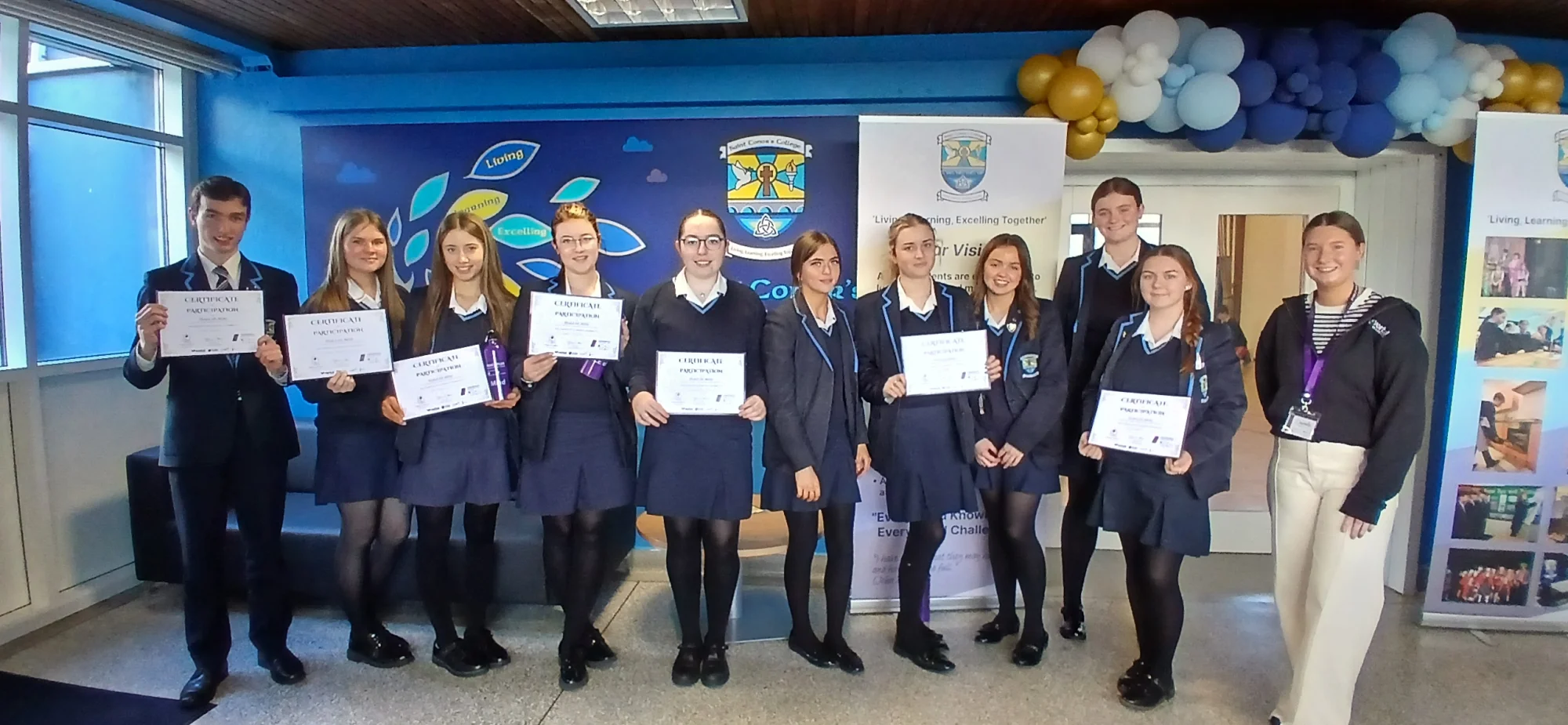
Young people taking part in PEACE of Mind
Empowering young minds, building resilience

Programme length

Six weeks

Participants

Young people aged 9–25

Delivery area

Northern Ireland and the border counties of Ireland

Approach

Applied storytelling, reflection and discussion

Supported by PEACEPLUS

PEACE of Mind is fully funded through PEACEPLUS, a programme managed by the Special EU Programmes Body.

Visit the SEUPB website →

PEACE of Mind, PEACEPLUS and project partner logos

How the programme works

PEACE of Mind logo

A shared space to
explore wellbeing.

Across six weeks, participants use stories and discussion to explore experiences that affect mental health, relationships and community life.

The programme is designed to build resilience, encourage positive relationships and help young people develop practical ways to manage difficult feelings and situations.

Themes across the six weeks

Social media

Positive relationships

Conflict resolution

A cohesive society

Stress and worry

Managing emotions

Project objectives

Supporting change through
stories and connection.

Young people participating in a PEACE of Mind activity

Mental wellbeing

Improve mental health and wellbeing through a sustainable, peer-facilitated community-relations programme.

Young people working together during PEACE of Mind

Positive relationships

Support young people to form positive and effective relationships regardless of community background.

PEACE of Mind session with young people

Coping and resilience

Help young people develop coping strategies, strengthen self-efficacy and build resilience.

Project activities

Four connected
areas of activity.

Direct delivery icon

Direct delivery

Participants take part in a six-week wellbeing programme focused on resilience and positive mental health.

Peer mentoring icon

Peer mentoring

Young people are offered facilitation training so they can deliver the programme to their peers.

Youth work training icon

Youth work training

Training supports youth workers responding to physical or mental disabilities and complex social or behavioural needs.

Youth Advisory Assembly icon

Youth Advisory Assembly

Led by The Open University, young people help shape decisions so the programme reflects their values.

Project partners

Lead partner

Verbal

Verbal uses storytelling and the language arts to support positive mental health, resilience and cross-community dialogue.

Project partner

The Cedar Foundation

Cedar supports children and adults with disabilities, autism and brain injury to participate fully in their communities.

Visit Cedar →

Project partner

Inspire

Inspire works with people living with mental ill health, intellectual disability, autism and addictions, with a focus on dignity and inclusion.

Visit Inspire →

Project partner

The Open University

The Open University contributes academic expertise and supports the design and delivery of a comprehensive peer-led evaluation.

Visit The Open University →

Year Two programme evaluation

What young people
told us.

The Open University’s Year Two evaluation found statistically significant improvements across six important areas.

The research was conducted by The Open University using matched pre- and post-programme survey responses.

Mental wellbeing

Resilience

Self-confidence

Relationships

Prosocial behaviour

Conflict resolution

35%

showed positive movement in feeling relaxed

31%

felt more able to cope and more confident doing things by themselves

32%

showed positive movement in sharing their thoughts and expressing themselves

Following an argument

32%  understanding the other perspective

30%  finding middle ground

29%  talking things through

The findings show measurable improvements in how young people felt, expressed themselves and considered responding to disagreement.

Individual-response percentages show the proportion of participants whose answer moved positively between the pre- and post-programme surveys.

Get in touch

Programme
information.

Contact the Verbal team for further information about PEACE of Mind.

info@theverbal.co

028 7126 6946

Share this page